
The difference between recycled base oil and re-refined base oil
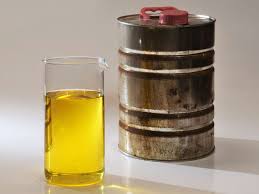
In the lubricant industry, the choice of base oil type has a direct impact on the quality, durability and performance of the final product. In recent years, in addition to virgin base oils, two other types of recycled base oils have received attention: recycled base oil and re-refined base oil. Although these two terms are sometimes used interchangeably, they have important differences in terms of production process, purity level and application. Recycled base oil is usually produced using methods such as acid-sand stripping. In this process, the used oil is subjected to chemical and physical treatments to remove contaminants, water and solid particles. The final product is an oil with a clear appearance and acceptable properties that will be suitable for many industrial applications, including the production of light engine oils, hydraulic oils and general lubricants. In contrast, re-refined base oil is the result of more advanced processes such as vacuum distillation, thin film evaporation and hydrotreating. These technologies allow for deeper removal of contaminants, volatile compounds, and undesirable aromatics. The result of this process is a high-purity base oil with a performance close to that of a new base oil (Group I or even Group II). One of the key differences between the two types of oils is the level of purity and viscosity stability. Re-refined oils typically have a higher viscosity index, lighter color, and higher flash point. These characteristics make it possible to use them in the formulation of higher-quality and more sensitive lubricants. From an economic point of view, recycled base oil is a more cost-effective option and is considered a good choice for applications that are not highly sensitive. While re-refined base oil, despite its higher production cost, creates more added value for lubricant manufacturers. Karen New Engine Refining Company has provided its customers with the opportunity to make a smart choice by offering both types of base oils. This flexible approach allows consumers to choose the best option based on their technical needs, budget and target market. In conclusion, recycled base oil and re-refined base oil both play an important role in the sustainable future of the lubricant industry. The main difference between them lies not in the production philosophy, but in the level of technology and end-use.